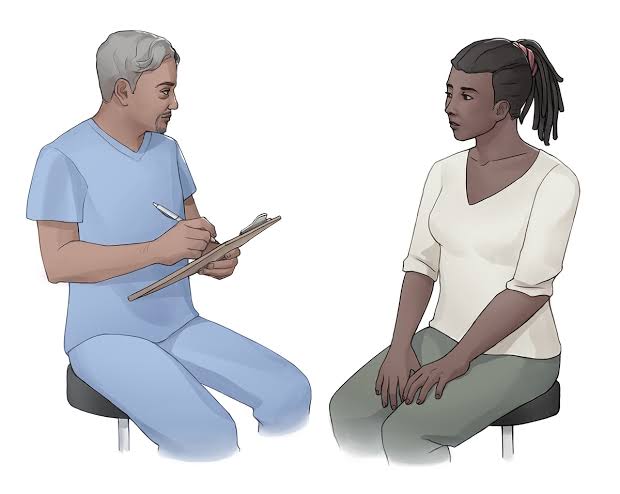
If you've ever booked a sports therapy appointment expecting to be on the table within two minutes, the first 15 minutes of questions can feel like an interrogation. There is a reason for it, and it is one of the most important parts of your treatment.
I've seen a growing trend of therapists shortening or skipping this part to get to the hands-on work faster. I think that's a mistake, and here's why.
The subjective assessment is the conversation at the start of your session where I ask about your pain, your history and your goals. It is a structured process, and every question helps narrow down what we could be dealing with: the structure involved, the nature of the problem, how it started, and how it behaves through the day.
Hands-on work will get to the good part if it is warranted. But there is a lot to go through before testing or treatment begins, and skipping it means treating a guess.
This is the most important reason of all.
Red flags are signs that something needs medical attention or referral rather than treatment from a sports therapist. Examples include a suspected fracture, a possible blood clot (such as a DVT), or pain that may be coming from an internal organ rather than a muscle or joint.
Yellow flags are psychological and social factors that influence recovery, such as stress, fear of movement, low mood or worry about what the pain means. They shape how pain is experienced and how well someone responds to rehab.
Both come out through conversation. Skip this stage and you risk treating someone who should have been referred on, which can cause serious harm.
"What do you want from this?" is a clinical question, not small talk.
Without your goal, I don't know what success looks like for you. It also gives us a baseline to retest against at the end of the session, so we can see whether treatment has made a difference.
Where it hurts is only half the story. How it started tells me just as much.
A gradual onset, such as an ache that built over weeks of desk work or training load, points my reasoning in a very different direction from a sudden, traumatic incident like a fall or a tackle. That single question can change the whole clinical picture.
This part covers more than people expect:
Your own past experience is some of the most useful information I can get.
Someone who feels heard is more likely to trust the plan, and someone who trusts the plan is more likely to follow it. Rehab only works if you actually do it.
The conversation isn't only clinical. It's relational, and that's a big part of getting results.
No. Skip the chat, go straight to the massage, and you may well feel better for a day or two, then be back in six weeks with the same problem.
The questions are not wasted time. They are part of the treatment.